
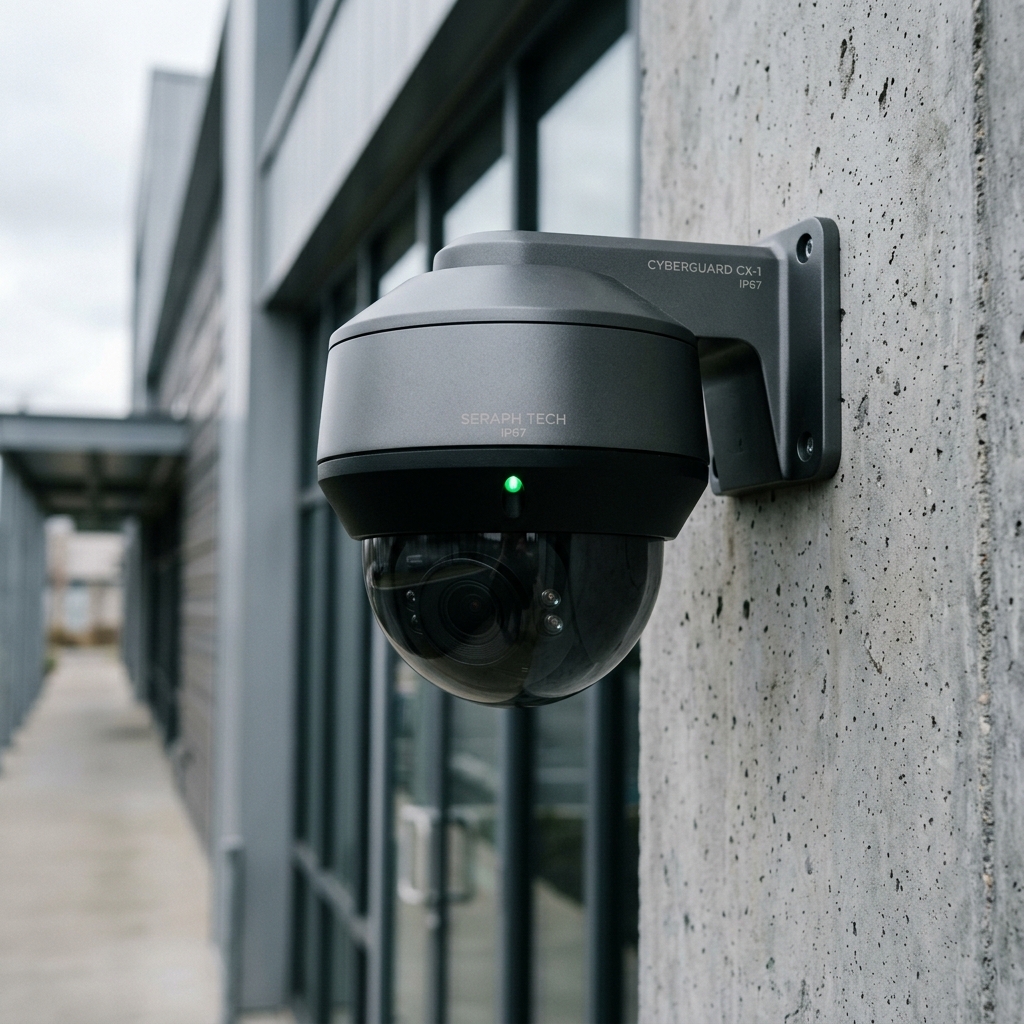
The Limitations of Traditional CCTV Systems
Traditional CCTV cameras were designed for a single purpose: recording video to local hard drives for subsequent human inspection. While this was revolutionary in the 1990s, modern enterprise environments expose critical operational flaws:
- Human Monitor Fatigue: Scientific studies consistently show that after just 20 minutes of watching multiple surveillance monitors, a security operator misses up to 95% of screen activity.
- Excessive False Alarms: Traditional pixel-based motion detection triggers alarms whenever tree leaves rustle, rain falls, shadows shift, or insects fly across the camera lens. This leads guards to ignore alarms completely.
- Purely Forensic Value: If a burglary, industrial accident, or equipment damage occurs at 2:00 AM, traditional CCTV merely records the incident. The police or plant managers only discover the event the next morning.
What Changes When You Introduce AI Video Content Analysis?
AI CCTV replaces human visual monitoring with deep learning neural networks. Instead of looking at raw pixel changes, AI systems understand the semantic context of every frame:
- Human & Vehicle Classification: AI filters out 99% of false alarms by verifying that the moving entity is an actual human being or vehicle before triggering an alert.
- Real-Time Deterrence: When an unauthorized intruder breaches a virtual perimeter at night, VCABox immediately triggers local strobe lights, sounds high-decibel audio sirens, and dispatches a notification with a video clip to security chiefs.
- Intelligent Forensic Search: Instead of spending 8 hours fast-forwarding through DVR recordings, security teams can search for specific events: "Find all red trucks that entered Gate 3 between 10 PM and 4 AM" and receive results in seconds.
Comparison Breakdown: AI CCTV vs Traditional CCTV
| Surveillance Feature | Traditional CCTV System | VCABox AI Video Analytics |
|---|---|---|
| Surveillance Nature | Passive recording (Post-incident review) | Active real-time prevention & instant deterrence |
| False Alarm Rate | High (70% - 90% false triggers) | Near zero (< 2% false triggers) |
| License Plate Capture | Manual human reading from recorded video | Automated high-speed ANPR with database matching |
| Safety Enforcement | Manual supervisor patrols | Automated 24/7 PPE (helmet, vest) compliance checks |
| Operational Insights | None | Heatmaps, queue wait times, and occupancy telemetry |
| Hardware Cost | Requires replacing entire camera infrastructure | Retrofitted onto existing IP/RTSP cameras via edge box |
How AI CCTV Delivers 80% Cost Savings
Upgrading to AI CCTV drastically lowers overall security expenditures. By reducing the number of night-shift guard personnel required for perimeter patrols and preventing costly inventory pilferage and industrial downtime, Indian enterprises typically recover their VCABox investment within 3 to 6 months.